


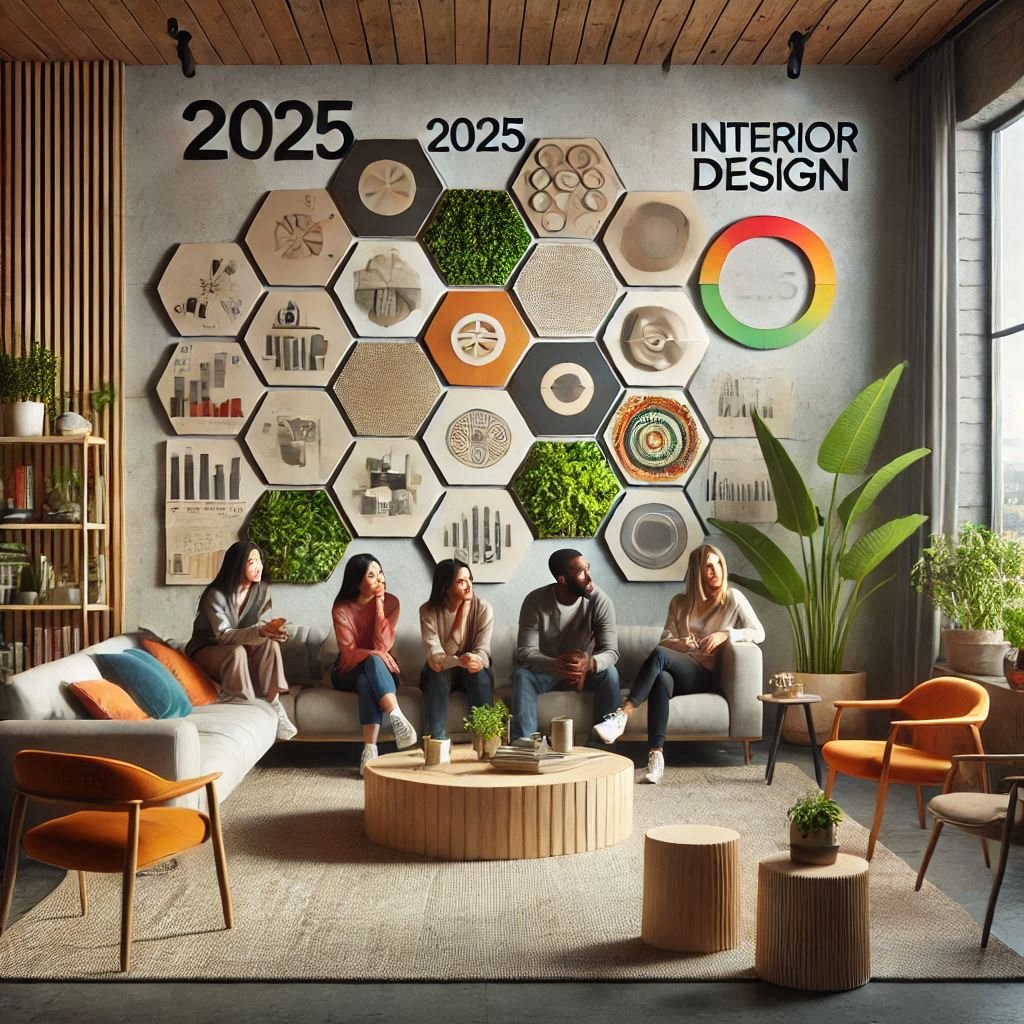
Emerging Furniture Styles for 2025
As we approach 2025, the landscape of interior design continues to evolve, reflecting broader societal changes and environmental concerns. Among the most significant trends is the rise of sustainable materials in furniture design. Consumers are increasingly seeking pieces crafted from eco-friendly resources, such as reclaimed wood, recycled metals, and organic fabrics. This shift not only contributes to a more sustainable future but also enhances the aesthetic appeal of modern homes, aligning with the growing awareness of environmentally responsible choices in home décor.
Another notable trend in modern home furniture involves multifunctional designs that cater to the needs of smaller living spaces. With urbanization on the rise, designers are focusing on creating versatile furniture that serves multiple purposes. For instance, sofas that convert into beds, coffee tables with storage, and modular shelves that can be adapted to various spaces are gaining popularity. These innovations allow homeowners to maximize space without sacrificing style, making them ideal for contemporary interiors.
In addition to sustainability and functionality, retro-inspired pieces are making a significant comeback. Nostalgic designs from the mid-20th century, characterized by bold colors, geometric shapes, and distinctive patterns, are becoming prominent in today’s home décor. These retro elements add character and warmth to interior spaces, enticing those who appreciate a sense of history in their modern home. When sourcing furniture that embodies these trends, consider visiting local antique shops or searching online marketplaces that specialize in vintage items.
For individuals interested in DIY options, upcycling existing furniture can be an excellent way to embrace these emerging styles affordably. Simple enhancements, like repainting, reupholstering, or rearranging existing items, can breathe new life into outdated pieces, allowing homeowners to create a modern aesthetic that aligns with the evolving trends of 2025.
Color Palettes Transforming Spaces
As we approach 2025, color palettes in interior design are set to undergo significant transformations, reflecting the evolving aesthetics and emotional nuances within modern homes. Earthy tones, muted pastels, and bold contrasts are emerging as the frontrunners for the upcoming year, offering diverse options that cater to varying tastes and lifestyles.
Earthy tones, inspired by nature, are particularly prominent. Shades like terracotta, olive green, and soft browns create a grounding effect, fostering a sense of warmth and tranquility within a space. These colors not only enhance the sensory appeal of home decor but also establish a connection with the environment, promoting wellness and relaxation. Integrating earthy hues through paint or decorative accessories, such as cushions and ceramics, can create a cohesive and inviting ambiance.
In addition to earthy tones, muted pastels are gaining traction, showcasing an elegant yet understated palette. Colors like blush pink, soft lavender, and pale blue enhance natural light, creating airy spaces that feel bright and spacious. Utilizing these soft shades can rejuvenate modern homes, especially in smaller areas, where light colors can create an illusion of more space. Homeowners can incorporate these muted pastels through fabrics, wall art, and lighter paint choices, providing an effective way to breathe life into any room.
On the other hand, bold contrasts are positioning themselves as a daring choice for those looking to make a statement. Colors like deep navy paired with vibrant mustard or rich emeralds against stark whites can build visually striking interiors. This approach encourages creativity and personal expression, allowing homeowners to curate an inspiring environment. Accessories such as throws, rugs, and artwork can be key to introducing these bold combinations without overwhelming the overall design.
Overall, understanding how different colors impact mood and spatial perception is crucial in modern home decor. Applying these trends thoughtfully can transform spaces into reflections of personal style while adhering to the evolving norms of interior design.
Textures That Elevate Interior Design
As we look ahead to 2025, the realm of interior design is poised to embrace a variety of texture trends that enrich and transform spaces within modern homes. Central to this evolution is the use of natural materials, such as wood, stone, and organic fabrics. These materials provide a sensory experience and establish an inviting ambiance that resonates with today’s homeowners. Natural textures not only enhance the aesthetic appeal but also promote a sense of harmony and connection with nature, a fundamental aspect of modern home decor.
Tactile fabrics are another integral component of the texture trends expected to take center stage in 2025. Soft textiles like bouclé, velvet, and linen will be favored for their ability to evoke comfort and warmth, making them perfect for both upholstery and accessories. Layering these textiles strategically can create depth in any room, ensuring that the space feels cozy and welcoming. For example, a velvet cushion paired with a linen throw can add richness and interest to a neutral sofa.
Moreover, innovative textures are set to emerge, introducing creative elements such as 3D wall treatments and sculptural decor items. These features can serve as statement pieces, drawing the eye and sparking conversation. Homeowners looking to incorporate these textures can do so on a budget; paint techniques, stencil patterns, and textured wallpaper can dramatically alter the dynamic of a room without demanding a substantial investment.
Incorporating these layers of texture is crucial for elevating interior design. By combining various surfaces and materials, it is possible to create a multi-dimensional atmosphere that invites exploration and interaction. Emphasizing different textures within the context of modern home decor will ultimately lead to a more engaging and stylish environment, perfectly aligned with the trends anticipated for 2025.
Innovative Layouts for Modern Living
The year 2025 heralds a transformation in interior design, emphasizing innovative layouts that align with the demands of contemporary lifestyles. Modern homes increasingly favor open floor plans that foster a sense of space and connectivity. These designs are particularly appealing as they allow for seamless flow between different living areas, such as the kitchen, dining room, and lounge. By eliminating unnecessary barriers, homeowners can create environments that encourage interaction and communal activities while preserving a sense of openness.
Another emerging trend is the incorporation of flexible spaces. These zones can be easily reconfigured to accommodate various activities, whether it’s a home office, a children’s play area, or a guest room. Multifunctional furniture, such as foldable tables or modular seating, plays a pivotal role in maximizing utility. Homeowners can achieve this versatility through coherent furniture arrangements that adapt to the specific requirements of their daily lives.
For those interested in boosting functionality without a substantial investment, DIY partitioning ideas offer a prudent solution. Lightweight room dividers or curtains can create distinct areas within an open layout, allowing for privacy and designated spaces without the need for permanent walls. These options not only enhance the overall organization of the home but also reflect the modern approach to interior design, where adaptability and personalization are paramount.
As we embrace these innovative layouts in the realm of home decor, the focus shifts to creating environments that resonate with individual lifestyles. Prioritizing flow and functionality in modern homes will contribute to more harmonious living spaces, ultimately improving the daily experience of their inhabitants. By thoughtfully incorporating such design principles, homeowners can achieve a balance between aesthetic appeal and practical use, ensuring their living spaces are both beautiful and effective.


