


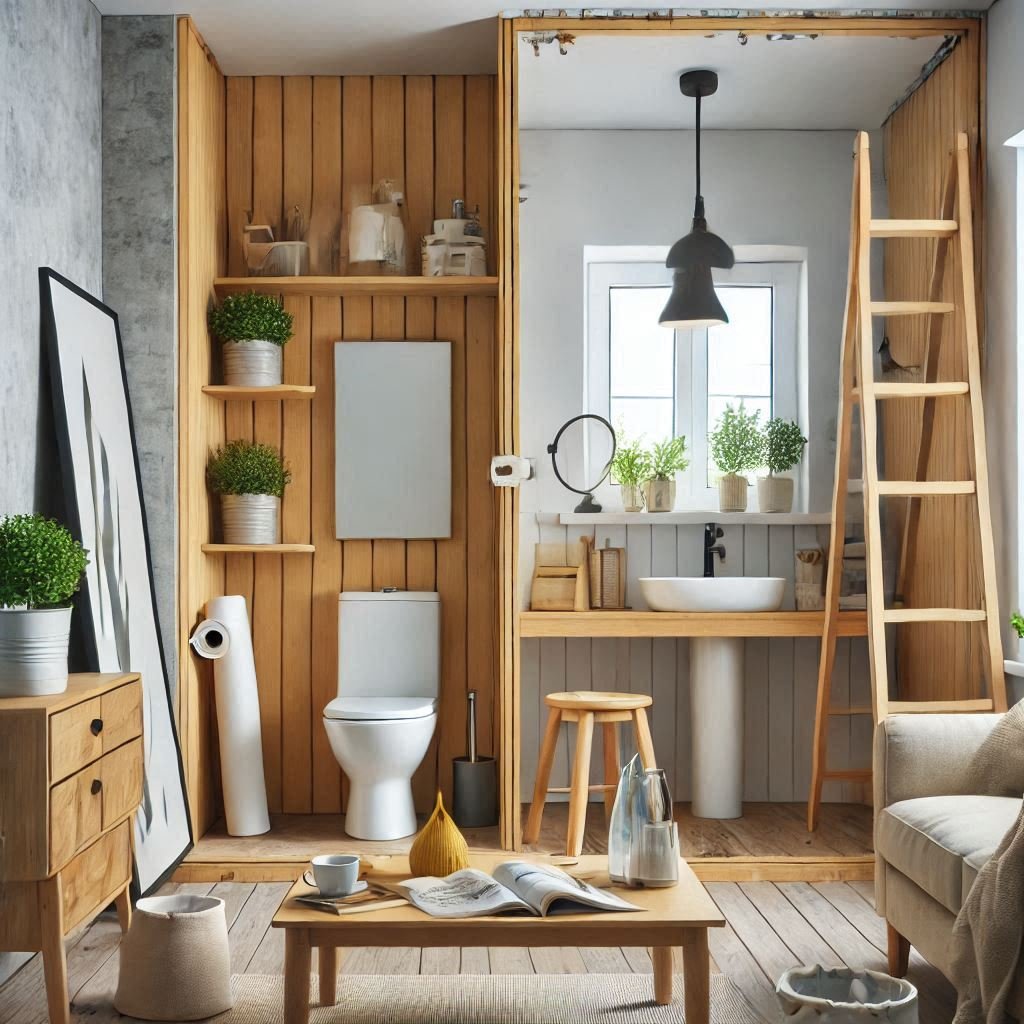
Introduction to Interior Design
Interior design is a multifaceted profession that involves the creation of functional and aesthetically pleasing spaces within various environments, including residential, commercial, and industrial settings. Over the years, the role of the interior designer has evolved significantly, integrating aspects of architecture, environmental psychology, and art to enhance the experience of a space. The significance of interior design cannot be overstated, as it profoundly influences not only the appearance of a room but also the emotions and behaviors of the individuals who inhabit those spaces.
The evolution of interior design can be traced back to ancient civilizations, where functionality often took precedence over aesthetics. However, as society progressed through the Renaissance and into the modern era, the importance of design as an expression of style and culture became more pronounced. Today, interior designers are tasked with balancing these elements—crafting spaces that are not just visually appealing but also conducive to productivity and wellbeing.
As we delve deeper into the subject, it is essential to recognize how good interior design contributes to success in various settings. In work environments, thoughtfully designed spaces can enhance productivity, boost creativity, and promote collaboration among team members. Similarly, in homes, the right interior design can foster comfort, serenity, and a sense of belonging, impacting residents’ overall quality of life. Furthermore, interior design continues to adapt to societal shifts, with sustainable practices and technology integration becoming increasingly relevant. As we explore the intricate facets of interior design, its undeniable power to transform both individual lives and broader community experiences will become evident.
The Emotional Impact of Interior Design
Interior design plays a pivotal role in shaping our emotional responses and mental states. Numerous studies in psychology have established a significant connection between our surroundings and how we feel. Among the various elements of design, color stands out as a powerful influencer of mood. Different colors evoke distinct emotions; for example, blue tones can create a sense of calmness and tranquility, making them ideal for bedrooms or meditation spaces. Conversely, vibrant colors like red may stimulate energy and passion, often suited for social areas where interaction is encouraged.
Lighting is another crucial factor impacting our emotional well-being. Natural light has been shown to enhance our mood and overall cognitive functioning. Spaces with ample natural light can foster a feeling of openness and positivity, while poorly lit environments may lead to feelings of lethargy or sadness. An interior designer often emphasizes the importance of layered lighting, combining ambient, task, and accent lighting to suit the purpose of each space, effectively improving the emotional atmosphere.
In addition to color and lighting, the arrangement of furniture and decorative elements contributes to the overall emotional tone of a room. Spaces that are cluttered may evoke feelings of stress or anxiety, while organized environments typically foster a sense of comfort and relaxation. An experienced interior designer understands how to utilize space effectively, creating layouts that promote social interaction or solitude as needed.
Furthermore, incorporating natural elements and textures can evoke serenity and connection to the outside world, creating an inviting atmosphere. By utilizing principles of design that resonate on an emotional level, the right interior environment can enhance our life experiences, supporting well-being and enriching personal connections. Understanding the emotional impact of interior design is essential for anyone looking to transform their space and improve mental state.
Boosting Productivity Through Design
Interior design plays a significant role in enhancing productivity, particularly in workspace environments. Research has consistently shown that the physical layout and aesthetic attributes of an office can directly influence employees’ performance and well-being. A well-thought-out design, which considers factors such as space allocation, furniture ergonomics, and the incorporation of natural elements, fosters an atmosphere conducive to focus and efficiency.
One crucial aspect of interior design is the layout. An open plan environment can promote collaboration and communication, while a more segmented approach can provide privacy for tasks requiring concentration. For instance, technology companies like Google and Facebook are well-known for their innovative office spaces, which integrate collaborative areas along with quiet zones tailored for deep focus. Such thoughtful spatial arrangements allow employees to shift between collaborative and individual work modes, ultimately boosting overall productivity.
Ergonomics is another essential component. The right combination of chair height, desk design, and screen positioning can minimize discomfort and the risk of injury, directly impacting how effectively individuals can perform their duties. Companies that prioritize ergonomic assessments in their interior design see a marked improvement in employee satisfaction and productivity levels. Furthermore, investing in adjustable furniture is a testament to a company’s commitment to employee well-being, aligning design aspects with enhanced efficiency.
Moreover, the integration of natural elements, such as plants and sunlight, has been shown to improve air quality and reduce stress. Studies indicate that workplaces with plentiful natural light can lead to a 20% increase in productivity levels. Organizations that embrace biophilic design—incorporating nature within their interiors—often witness a higher degree of employee engagement and creativity.
In conclusion, the relationship between interior design and productivity is well-established. Thoughtful consideration of layout, ergonomic conditions, and natural elements collectively cultivates an environment that not only enhances focus but also drives overall efficiency in the workplace.
Functionality in Interior Spaces
In the realm of interior design, functionality is of paramount importance. A well-designed space not only enhances aesthetics but profoundly influences the quality of daily living. When considering theinches within a room, one must prioritize functionality to create an environment that works seamlessly for its inhabitants. This includes meticulous space planning, thoughtful furniture arrangement, and effective storage solutions.
Space planning is arguably the first step in achieving a functional interior. It involves strategically outlining how each area will be used based on the specific needs of the occupants. By understanding the flow of movement within a space, an interior designer can create an environment that maximizes utility while minimizing clutter. For example, in a small living area, careful positioning of furniture can ensure that pathways remain clear and that the space feels open and inviting. This attention to the optimal use of theinches significantly enhances the experience of those using the area.
Moreover, furniture arrangement plays a critical role in enhancing functionality. The selection of appropriate pieces, coupled with proper placement, can transform a room from chaotic to cohesive. An interior designer may select multi-function furniture, such as a coffee table with hidden storage, to further optimize space without sacrificing style. Such choices not only maintain the aesthetic appeal of the interiors but also promote a functional lifestyle, adapting to the needs of families and individuals alike.
Finally, incorporating effective storage solutions is essential to achieving a functional interior. Cleverly designed cabinetry, built-in shelves, and designated storage areas contribute to a clean and organized space. By utilizing every available inch wisely, designers can ensure that both form and function coexist harmoniously, allowing residents to enjoy their environment fully. Therefore, recognizing the value of functionality in interior design is crucial for shaping spaces that are not only beautiful but also practical, enhancing everyday life.
Real-Life Examples of Transformative Interior Design
The impact of effective interior design can be observed in various environments, as it has the power to enhance functionality, aesthetics, and comfort. One compelling case study is a small urban apartment that was revitalized through a strategic redesign. Originally cramped and cluttered, the space now features an open-concept layout that emphasizes natural light and fluid movement. The interior designer incorporated multifunctional furniture, maximizing space while maintaining a chic, modern vibe. The before-and-after images showcase not only the visual appeal but also the increased usability of the area. Residents report feeling more connected to their home, attributing their improved mood and productivity to the thoughtful design changes.
Another inspiring transformation can be found in a corporate office environment. Initially characterized by uninspiring cubicles and a lack of cohesive branding, the office underwent a significant redesign spearheaded by a professional interior designer. By introducing elements such as collaborative workspaces, vibrant colors, and natural plants, the office was transformed into a bustling hub of creativity and engagement. Employees have shared testimonials noting the positive effects on their interactions and overall satisfaction with the workplace. The decision to invest in an interior design overhaul not only boosted morale but also fostered a more innovative atmosphere, exemplifying the power of a well-executed design strategy.
Additionally, a local coffee shop successfully utilized interior design principles to cultivate an inviting ambiance for patrons. The space, once dark and dated, now boasts warm lighting, comfortable seating arrangements, and art by local artists on display. Customers have expressed their appreciation for the enhanced environment, which encourages longer visits and social interactions. The coffee shop owner has noted an increase in customer retention and revenue, demonstrating how an adept interior designer can significantly influence a business through thoughtful design choices.
Tips for Enhancing Small Spaces
Creating a functional and aesthetically pleasing environment in small spaces requires innovative strategies tailored to maximize the available area. One effective approach is optimizing furniture choices. Select multi-functional pieces, such as a coffee table with storage beneath or a foldable dining table, to minimize clutter and enhance usability. Additionally, consider furniture that is appropriately scaled for the size of the room. Bulky pieces can overwhelm a space, while sleek, modern designs maintain an open feel, making it easier for residents to navigate comfortably.
Another critical aspect to consider is the use of color and texture. Lighter hues, such as pastels or soft whites, can make a room feel larger and more inviting. These tones reflect natural light, which is essential in confined areas. To add depth, incorporate textures through textiles like rugs, curtains, or throw pillows. These elements not only add warmth but also create visually engaging layers that draw the eye, providing a sense of richness without sacrificing space.
Lighting plays a vital role in small spaces. Utilize a mix of ambient, task, and accent lighting to illuminate corners and add depth. Wall sconces, strategically placed mirrors, and floor lamps can enhance the brightness of a room while allowing for greater versatility. Mirrors, in particular, serve as a dual purpose—functioning both as décor and a reflection that creates an illusion of increased space.
Lastly, keep the layout simple and breezy. Avoid overcrowding the space with excessive accessories or furnishings. A minimalist approach will not only help maintain clear walkways but also promote a serene atmosphere. By thoughtfully incorporating these design principles, even the smallest of spaces can be transformed into a functional and inviting area, showcasing the impact that skilled interior designers can have on transforming living environments.
Incorporating Personal Style Into Design
Interior design is not solely about aesthetics; it embodies personal expression and individuality. When creating a space, it is imperative to incorporate one’s unique style into the overall design. By doing so, individuals can cultivate an environment that not only reflects their personality but also serves as a functional and comfortable haven. A well-thought-out design strategy can help integrate personal touches while maintaining optimal functionality.
To begin the incorporation of personal style, focus on key elements that resonate with you. Artwork is a significant component; it serves as a focal point and imbues the space with character. Selecting pieces that hold sentimental value or evoke specific memories can deepen the emotional connection to the room. This could include paintings, photographs, or sculptures that speak to who you are or your experiences. Similarly, textiles such as rugs, cushions, and curtains can enhance comfort and warmth while also embodying your preferred color palette and patterns.
Another effective way to convey personal style is by displaying memorabilia and items collected over time. These artifacts can tell a story and provide a glimpse into your journey, whether they are travel souvenirs, heirlooms, or handcrafted items from local artisans. Their inclusion in your design not only personalizes the space but also prompts conversation and connections with guests.
However, it is essential to ensure that personal elements do not compromise the core functionality and flow of a room. Collaborating with an interior designer can be beneficial in striking the right balance between personal expression and practical arrangement. A skilled designer will understand how to harmonize these aspects, ensuring that your unique style enhances the overall usability and aesthetic of the space.
Sustainable Interior Design Practices
As the global community becomes increasingly aware of environmental issues, sustainable interior design practices have gained notoriety. This approach encompasses a wide range of strategies aimed at minimizing ecological impact while enhancing the aesthetic and functional value of living spaces. By utilizing eco-friendly materials and energy-efficient solutions, interior designers can create beautiful environments that also support a healthier planet.
One of the fundamental principles of sustainable interior design is the selection of materials that reduce resource depletion and environmental pollution. Reclaimed wood, recycled metals, and natural fibers are often favored due to their lower ecological footprint. These materials not only contribute to a unique aesthetic but also promote longevity and resilience, reducing the need for frequent replacements. Additionally, interior designers are increasingly opting for sustainable brands and products, ensuring that every component of a space aligns with eco-conscious values.
Energy efficiency is another critical aspect of sustainable design. Introducing energy-efficient lighting, appliances, and heating systems can significantly lower energy consumption in a home or office. Utilizing strategic layouts that maximize natural light reduces reliance on artificial lighting while enhancing the overall ambiance. Moreover, integrating smart technology allows residents to better control energy usage, leading to both cost savings and a reduced carbon footprint.
Creating healthier environments is essential in sustainable interior design. This can be achieved through the use of low-VOC (volatile organic compounds) paints, non-toxic finishes, and indoor plants that improve air quality. By focusing on well-being, interior designers can ensure that spaces not only look good but are also conducive to physical and mental health.
In conclusion, sustainable interior design practices offer numerous benefits for environmentally conscious individuals. By combining eco-friendly materials, energy-efficient solutions, and health-promoting elements, interior designers can craft spaces that are both beautiful and responsible.
Conclusion and Call to Action
Throughout this blog post, we have examined the significant impact that interior design can have on our living environments. By understanding the importance of space planning, color theory, and personal style, individuals can create harmonious interiors that promote well-being, functionality, and aesthetic appeal. The transformative power of an interior designer lies not only in their creative vision but also in their ability to tailor spaces that reflect the personality and needs of those who inhabit them.
Designing your space should never be seen as a daunting task, but rather as an exciting opportunity to express oneself. Whether through small adjustments or major renovations, every modification can enhance the overall atmosphere of a home or office. It’s essential to evaluate your own environment and consider how these changes might uplift your daily life. Think about the rooms in your space: do they evoke the intended feelings of comfort and inspiration? If not, perhaps it is time to consult with a professional who specializes in interior design, as their expertise can guide you through the myriad of options available.
As you contemplate stepping into this journey of transformation, explore resources such as design blogs, online platforms showcasing interior design portfolios, or local workshops that provide hands-on experience. Collaborating with an experienced interior designer can provide personalized insights that turn your vision into reality. Embrace the potential of design to improve your environment, and take the first step today in redefining your space, exploring the elements that resonate with your unique style and needs.


