


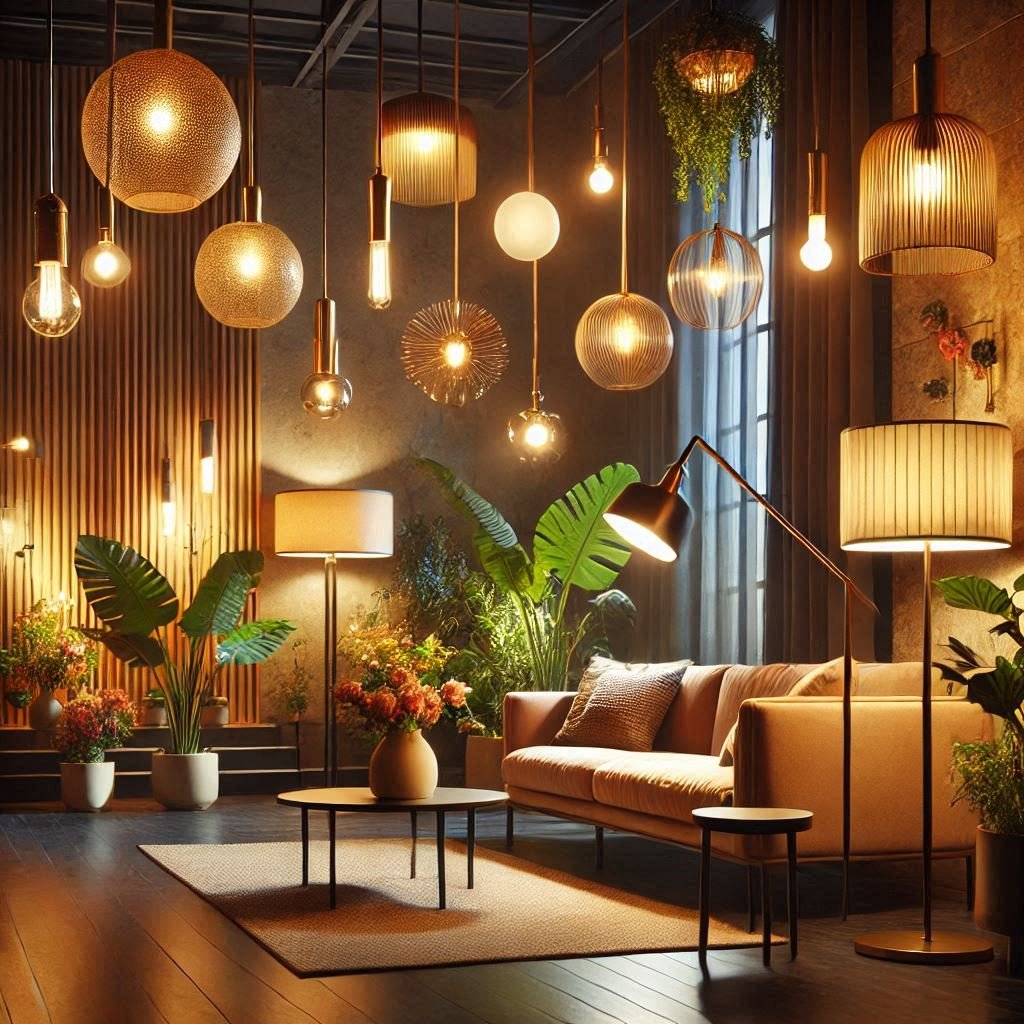
The Importance of Lighting in Interior Design
Lighting plays a pivotal role in interior design, influencing not only the visual appeal of a space but also its functionality and the emotions it evokes. Both natural and artificial lighting contribute significantly to the overall aesthetic of any room, with each type serving its unique purpose. Natural light, for instance, can make spaces appear larger and more inviting. By maximizing it through the use of strategically placed windows, skylights, and reflective surfaces, homeowners can enhance the openness and warmth of their interiors.
On the other hand, modern lighting fixtures provide opportunities for creative expression and practical solutions. Artificial lighting is essential for illuminating dark corners, highlighting architectural features, or creating a desired ambiance. Various layers of light, including ambient, task, and accent lighting, work together to define the mood of a environment. For instance, softer, warmer tones can help foster relaxation, while brighter, cooler lights can enhance productivity in workspaces. The selection of the best lighting ideas for interiors should therefore be tailored to meet both the functional needs of the occupants and the aesthetic goals of the space.
Furthermore, the psychological effects of light cannot be underestimated. Studies have shown that lighting can directly affect mood, with bright, well-lit areas often correlating with increased energy and alertness, while dimmer environments may promote calm and comfort. These characteristics become particularly important in spaces designed for social interaction — kitchens, living rooms, and dining areas benefit from inviting lighting schemes that encourage gathering and conversation. As such, incorporating a thoughtful blend of natural and artificial light becomes essential in any comprehensive home lighting design tips and strategies. Achieving this balance fosters harmonious living spaces where both functionality and emotion are prioritized.
Types of Lighting: Natural vs. Artificial
Illumination plays a critical role in enhancing interior spaces, and understanding the two primary types of lighting—natural and artificial—can significantly impact home lighting design. Natural light, harnessed from the sun, is indispensable; it provides warmth and can transform the ambiance of any room. To optimize the entry of natural light, consider the strategic placement of windows. Larger windows and skylights can enhance sunlight exposure, while the orientation of these openings—facing south, for instance—can maximize solar gain throughout the day. Reflective surfaces, such as mirrors or light-colored walls, can amplify this natural lighting, distributing brightness more evenly and effectively within the space.
On the other hand, artificial lighting bridges the gap when natural light is insufficient. Modern lighting fixtures come in various forms, including ambient, task, and accent lighting. Ambient lighting serves as the foundational light source, ensuring rooms are evenly illuminated. It can be achieved through ceiling-mounted fixtures, chandeliers, or recessed lighting. Task lighting is tailored for specific activities, such as reading or cooking, and often involves focused fixtures such as desk lamps or under-cabinet lights. Accent lighting is employed to highlight particular areas of interest, like artwork or architectural features, creating visually appealing focal points.
When considering the best lighting ideas for interiors, it is imperative to understand the functionality of each lighting type. Assess the activities that will take place in each room and choose artificial lighting accordingly. For example, a workspace may require brighter task lighting, while a relaxing living room may benefit from softer ambient lighting. By effectively combining natural and artificial lighting strategies, one can achieve an inviting atmosphere that enhances both comfort and aesthetics in the home.
Selecting the Right Fixtures
When it comes to home lighting design tips, selecting the right fixtures is critical to achieving both functionality and aesthetic appeal. Lighting fixtures serve as integral components of your decor, enhancing the ambiance of each room while fulfilling practical needs. Understanding different styles of lighting is essential; ceiling lights, floor lamps, and wall sconces offer unique characteristics suited to various environments.
Ceiling lights, for instance, are often the centerpiece of a room, providing general illumination that can set the tone. Modern lighting fixtures, such as sleek pendant lights or statement chandeliers, not only illuminate but also serve as attractive focal points. For more targeted lighting, floor lamps can be strategically placed to create cozy reading areas or highlight specific decor elements. Wall sconces provide versatility, adding soft ambient lighting while accentuating architectural details.
In considering the best lighting ideas for interiors, it is important to account for materials and designs that complement your overall theme. Whether you prefer the warmth of wood, the sleekness of metal, or intricate glasswork, each material brings its own style. Furthermore, energy-efficient options, such as LED fixtures, can save on electricity while also offering a range of colors and brightness levels to enhance mood.
Another vital factor is scale and proportion; the dimensions of your lighting fixtures should correspond with the size of the room and other furniture elements. Lastly, consider the color temperature of the bulbs; warmer tones may create an inviting atmosphere, while cooler shades can produce a more energizing effect. By thoughtfully selecting lighting fixtures that align with your decor and functional needs, you can significantly enhance your interior spaces.
Strategic Placement of Lighting in Your Home
Effective home lighting design plays a crucial role in creating a harmonious atmosphere within any living space. When strategically placing modern lighting fixtures, the aim is not just to illuminate but also to enhance the aesthetic appeal and functionality of each room. Careful consideration of where to position lighting can transform ordinary interiors into spaces that feel warm and inviting.
In the living room, it is essential to layer different types of lighting to achieve depth and interest. This can include a combination of ambient lighting, such as overhead fixtures, complemented by task lighting from table lamps and accent lighting from spotlights that highlight artwork or architectural features. The strategic placement of these fixtures allows for interactions among the layers, making the space versatile and adaptable to various activities, from reading to entertaining guests.
Moving into the kitchen, the focus should be on functional lighting that facilitates various tasks. Pendant lights above an island or dining area provide concentrated illumination, while under-cabinet lighting enhances workspace visibility. The layering of ambient and task lighting here ensures that even the most intricate cooking tasks can be performed comfortably.
Bedrooms benefit immensely from softer lighting options that promote relaxation. Utilizing bedside lamps alongside ceiling fixtures allows for personalization, catering to individual preferences. Installing dimmers can further enhance this ambiance, enabling adjustments based on time of day or mood.
Bathrooms require a balanced mix of functional and ambient lighting. Installing fixtures around mirrors, for instance, is vital for grooming activities, while sconces can add a touch of elegance. Utilizing smart lighting systems here can offer added convenience, allowing adjustments that suit different times of the day.
By thoughtfully considering the placement of lighting and incorporating layers within each room, one can achieve the best lighting ideas for interiors, ensuring each space is not only beautiful but also functional. This intentional approach to home lighting design sets the foundation for a well-lit and inviting home.


