


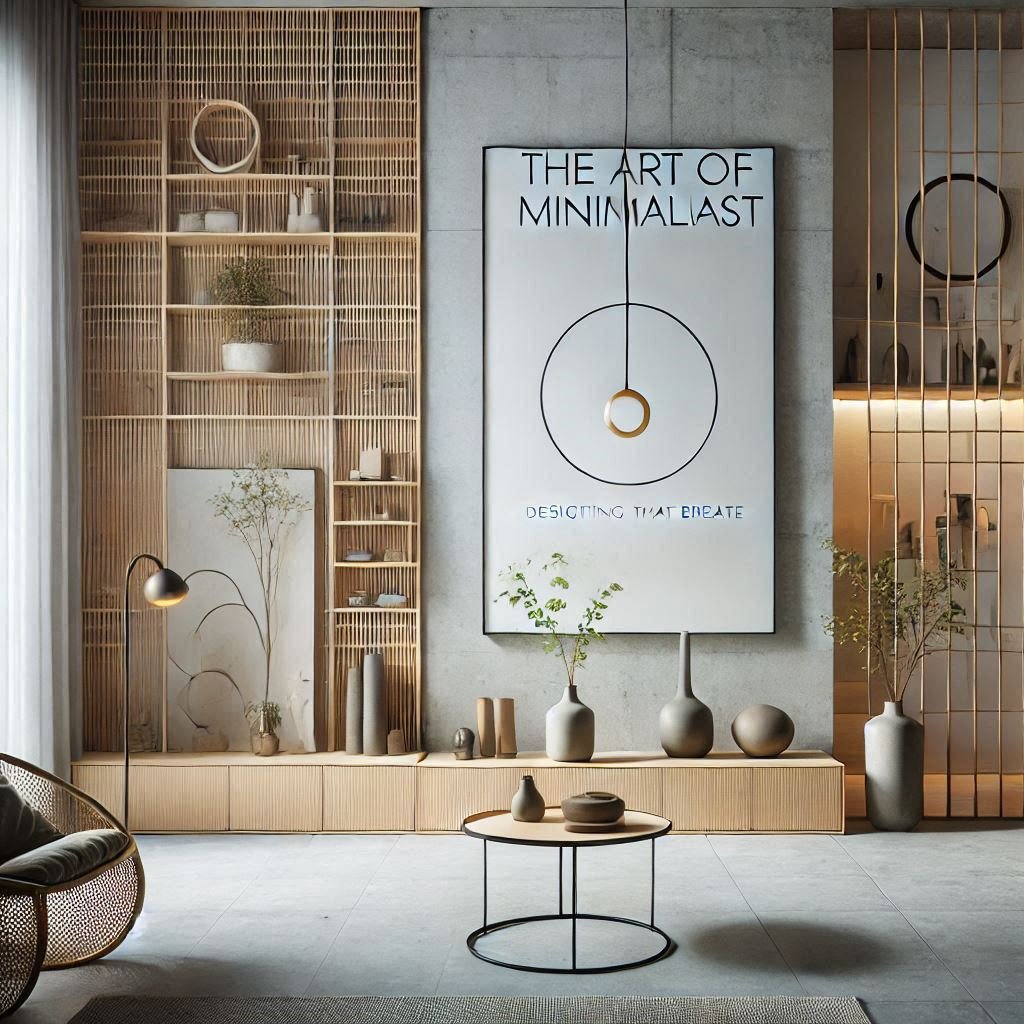
Understanding Minimalism in Interior Design
Minimalism in interior design is characterized by its focus on simplicity, functionality, and subtle beauty. It is a design philosophy that advocates the idea that less is indeed more. By prioritizing essential elements and eliminating the superfluous, minimalist home ideas aim to create spaces that are not only aesthetically pleasing but also promote well-being and mindfulness. The core principle of minimalism is to cultivate a harmonious environment, which can lead to increased mental clarity and reduced distractions in everyday life.
At its essence, minimalism challenges the conventional notion of excess in home environments. This philosophy encourages individuals to carefully consider their possessions and make intentional choices about what remains in their space. In doing so, individuals often find themselves embracing decluttering tips for small spaces that emphasize organization and the effective use of available areas. Whether it is through the reduction of furniture or the careful selection of decor, minimalism promotes the idea that every item should serve a purpose and evoke a sense of joy.
Different cultures have adopted minimalist styles, reflecting their unique interpretations of this design philosophy. For instance, Japanese interior design often incorporates natural materials and open spaces, creating an environment that invites tranquility. Scandinavian design emphasizes functionality and simplicity, utilizing light colors and organic shapes to foster a clean and inviting atmosphere. These diverse approaches illustrate that functional furniture design plays a critical role in minimalism, combining usability with an aesthetic that delights the senses.
Ultimately, embracing minimalism in interior design is not only about reducing clutter but also about curating an environment that enhances quality of life. By implementing thoughtful strategies that incorporate minimalist home ideas, individuals can transform their living spaces into sanctuaries that reflect simplicity, functionality, and beauty.
The Decluttering Process: Creating Space for Serenity
Embracing a minimalist lifestyle starts with an organized and deliberate decluttering process. The first step in this journey is evaluating your current possessions. By assessing each item, you can determine its significance and whether it truly serves a purpose in your life. A helpful approach is to pose questions like, “Does this item add value to my life?” or “When was the last time I used it?” This method encourages mindful consideration and helps you identify superfluous belongings.
Utilizing the ‘one in, one out’ rule can effectively maintain a decluttered environment. This principle states that for every new item you bring into your home, one should be removed. Such a strategy not only prevents the accumulation of unnecessary possessions but also fosters a mindset conducive to minimalism. As you incorporate functional furniture design into your home, consider choosing multi-purpose pieces that enhance utility and efficiency while preserving the minimalist aesthetic.
Organizing your items into categories will facilitate a more streamlined decluttering process. Begin by grouping belongings into keep, donate, or discard piles. This allows for clarity in decision-making and reduces the mental burden often associated with clutter. A psychological benefit of decluttering is the immediate sense of accomplishment felt once you create a more serene living space. This enhanced environment often leads to improved focus and relaxation, allowing for a greater appreciation of your surroundings.
Consequently, the act of decluttering extends beyond mere tidiness; it serves as a method for cultivating tranquility. By strategically evaluating and organizing your possessions, you can foster an environment where your mind can breathe, ultimately embracing the principles of minimalism. As your space becomes clearer and more functional, you may discover a newfound sense of peace and clarity in your daily life.
Choosing Multifunctional Furniture for Optimal Space Utilization
In the realm of minimalist home ideas, the selection of multifunctional furniture is paramount to achieving an optimal balance between aesthetics and practicality. Multifunctional furniture serves a dual purpose, enabling homeowners to maximize their limited space without sacrificing style or comfort. Examples of such furniture include sofa beds, which provide seating during the day and convert into a comfortable sleeping area at night, and extendable dining tables that can accommodate large gatherings while remaining compact for everyday use.
When curating a minimalist environment, it is essential to consider the versatility of each furniture piece. Functional furniture design is not merely about utility; it involves integrating pieces that enhance the overall aesthetic while serving multiple roles. For instance, storage ottomans not only offer seating but also provide hidden storage solutions, allowing for effective decluttering in small spaces. This dual functionality reflects the principles of minimalism, where every item has a purpose and contributes to a cohesive and streamlined look.
Before making purchases, it is advisable to accurately measure your spaces to ensure that the selected furniture complements the dimensions of the room. This step is crucial in avoiding overcrowding and maintaining an airy atmosphere, which is essential in minimalist decor. Additionally, opting for furniture that incorporates clean lines and neutral colors can help maintain a minimalist aesthetic while ensuring that the pieces blend harmoniously. By prioritizing functionality alongside design, each piece of furniture can contribute effectively to a decluttered, visually appealing home environment.
Ultimately, choosing the right multifunctional furniture not only aids in maximizing space but also aligns with the minimalist philosophy that promotes simplicity, purpose, and timeless style.
Incorporating Natural Elements: Bringing the Outside In
In the realm of minimalist interior design, the integration of natural elements plays a crucial role in fostering a serene and inviting environment. By incorporating plants, maximizing natural light, and utilizing organic materials, homeowners can achieve an aesthetic that harmonizes with the principles of minimalism while simultaneously enhancing the overall atmosphere of their spaces.
Plants are an essential component when seeking minimalist home ideas. They not only introduce visual interest but also improve air quality and create a sense of tranquility. Popular indoor plants such as snake plants, pothos, and peace lilies thrive with minimal care and adapt well to various lighting conditions. These plants can be placed strategically in corners or on shelves to maintain open spaces, reinforcing the minimalist ethos of simplicity and purposefulness.
Natural light is another critical factor in minimalist design, capable of significantly altering a room’s ambiance. To maximize natural light, choose sheer window treatments that allow sunlight to filter through while still providing privacy. Mirrors can also be strategically placed to reflect light, creating an illusion of spaciousness, which is vital for small areas. Moreover, consider opting for skylights or larger windows to fetch as much daylight as possible, further connecting the interior with the natural world outside.
The use of organic materials in furniture and decor decisions reflects the minimalist principle of functional furniture design. Elements such as wood, stone, and cotton not only add warmth but also serve as timeless and sustainable choices. For instance, a reclaimed wood table or a stone accent piece can act as focal points in a room without overwhelming the space. When selecting furnishings, prioritize items that maintain both aesthetics and functionality, ensuring that each piece contributes to the overall minimalist vision while still celebrating natures’ inherent beauty.


